





Benefits of Artificial Intelligence
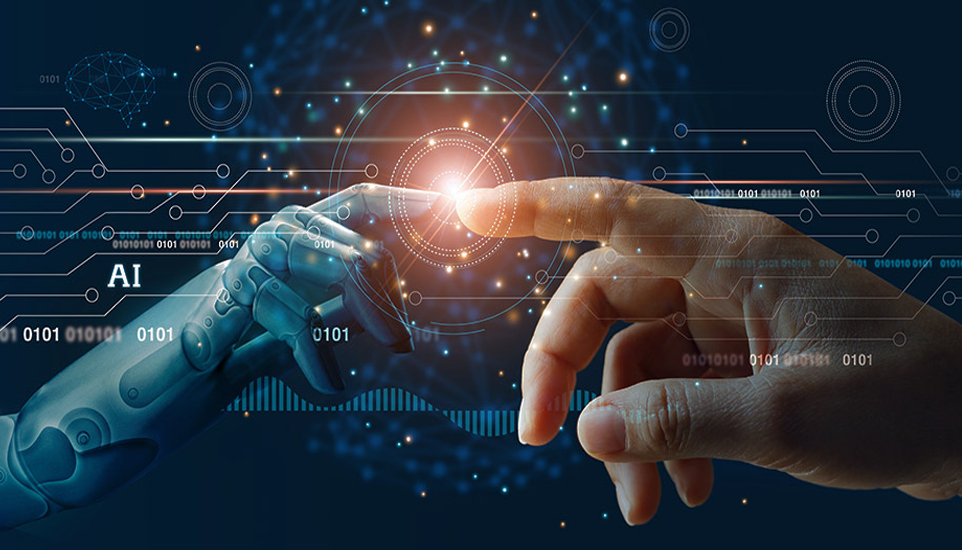
From SIRI to self-driving cars, Artificial Intelligence (AI) is progressing rapidly. While science fiction often portrays AI as robots with human-like characteristics, AI can encompass anything.
 Artificial intelligence is properly known as narrow AI (or weak AI), designed to perform a narrow task such as facial recognition. The long-term goal of many researchers is to create general AI (AGI or strong AI).
- While narrow AI may outperform humans at specific tasks like playing games or solving equations, AGI would outperform humans at nearly every cognitive task.
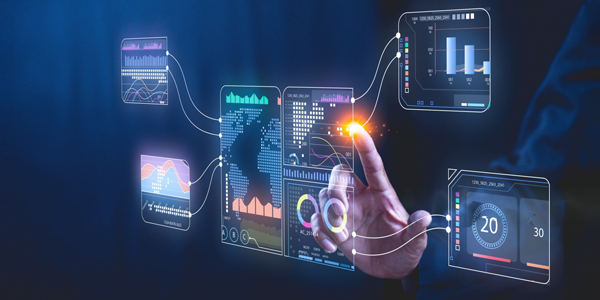
- AI is increasingly becoming a part of our day-to-day lives. By integrating AI solutions into every aspect of business, organizations can optimize operations and accelerate growth.
- The scope for innovation and development in AI is enormous and it will continue changing the world in diverse ways in the future.
Preparing for the perfect brand strategy
1. Automation
Automation is one of the most commonly cited benefits of AI technology, and it has had significant impacts on the communications, transportation, consumer products, and service industries.
Automation not just leads to higher production rates and increased productivity but also allows more efficient use of raw materials, improved product quality, reduced lead times, and superior safety.
2. Smart Decision Making
Artificial Intelligence has always been used for making smarter business decisions. AI technology can coordinate data delivery, analyse trends, develop data consistency, provide forecasts, and quantify uncertainties to make the best decisions for the company.
3. Enhanced Customer Experience
AI-powered solutions can help businesses respond to customer queries and grievances quickly. The use of chatbots that couple conversational AI with Natural Language Processing technology can generate highly personalized messages for customers.
4. Medical Advances
The use of Artificial Intelligence solutions in the healthcare sector is becoming increasingly popular. Remote patient monitoring technology allows healthcare providers to perform clinical diagnoses and suggest treatments without requiring the patient to visit the hospital in-person.
5. Lower Human Error Rates
AI systems don't have to deal with fatigue. Humans get tired and are more likely to make poor decisions. Repetitive jobs are particularly prone to human error. But AI systems don't have to focus — they're programmed for their function, eliminating the risk of human error.
6. Deeper Data Analysis
Modern businesses are swimming in data. While manual data analysis is time consuming, AI systems can process and analyse massive amounts of data at remarkable speed, identifying trends and offering actionable insights.
7. 24/7 Availability
Humans can work an average of 8.8 hours a day. But machines don't take breaks. Digital assistance solutions like chatbots are available to take customer inquiries no matter the time of day.
There are many more benefits of Artificial Intelligence that span from space exploration to advancements in defence systems. The technology is evolving steadily and has the potential to be more intelligent than ever.